News
Economy
3 September 2026
In Alsace, choosing local products is a natural part of everyday life. The Bas-Rhin and Haut-Rhin are the top 2 French departments for the share of locally sourced food sold in large retail stores.
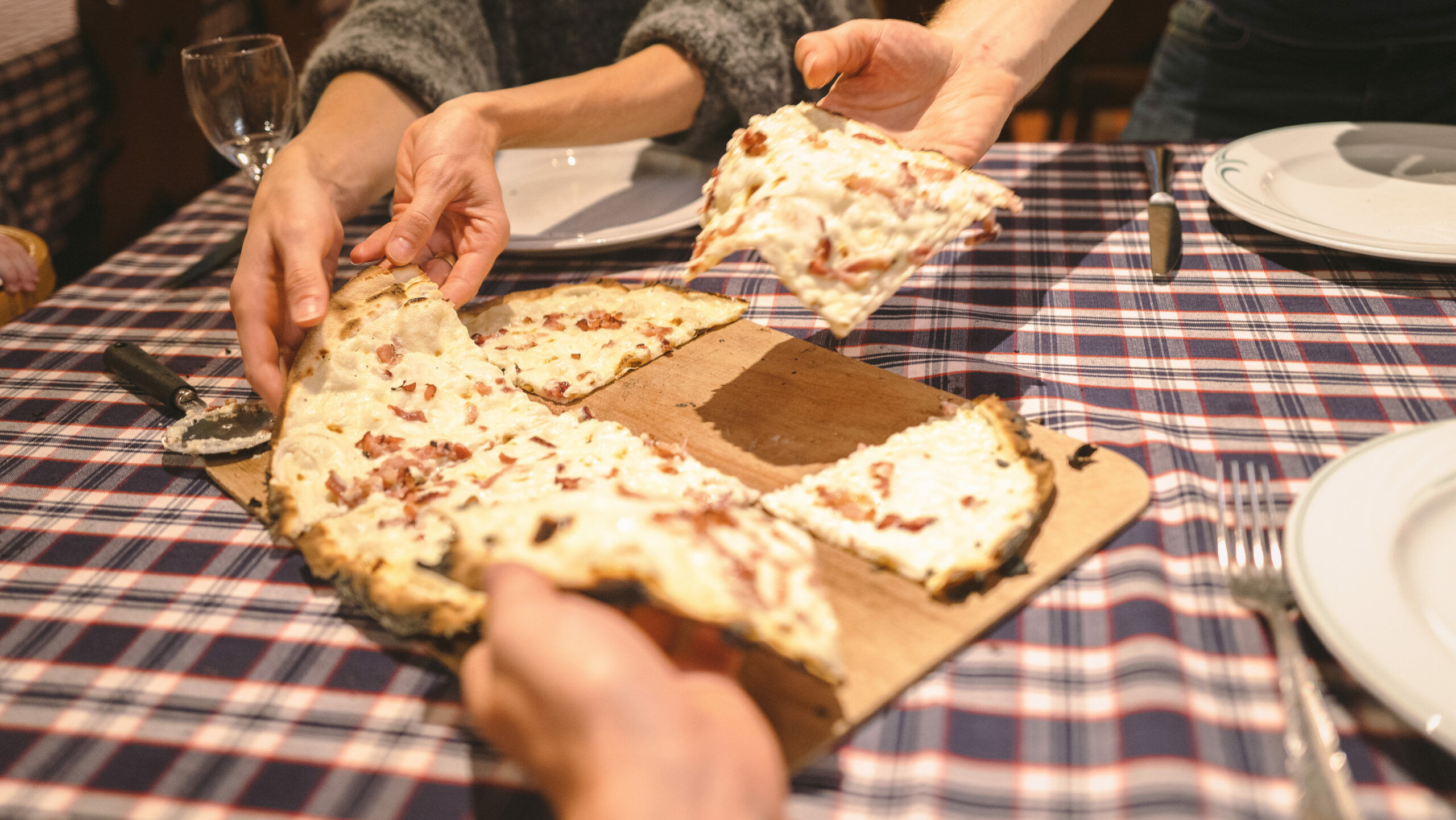
Alsatian products represent 8.6% of super- and hypermarkets food purchases in the Bas-Rhin and 7.8% in the Haut-Rhin, compared with a national average of 2.8%. In practical terms, nearly one out of every ten food items consumed in Alsace comes from a local supply chain.
This strong performance highlights both the deep attachment of residents to their region and the maturity of a well-structured agri-food ecosystem able to meet sustained demand.
Alsace draws on a long tradition of agriculture and gastronomy, now supported by a powerful and innovative agri-food sector, the region’s leading industry.
More than 1,000 agricultural and food companies operate in Alsace, generating over 25,000 direct and indirect jobs and covering the entire value chain from production to processing. Agricultural land accounts for nearly 40% of the territory, reflecting the enduring importance of this sector.
This strong foundation is complemented by a well-recognized culinary culture, built on iconic regional specialties and time-honored expertise.
A key feature of Alsace is the exceptional variety of its food production, spanning all categories:
This diversity enables a complete local offering, from aperitif to digestif, a unique characteristic in France. It also supports short supply chains and strengthens local food self-reliance.
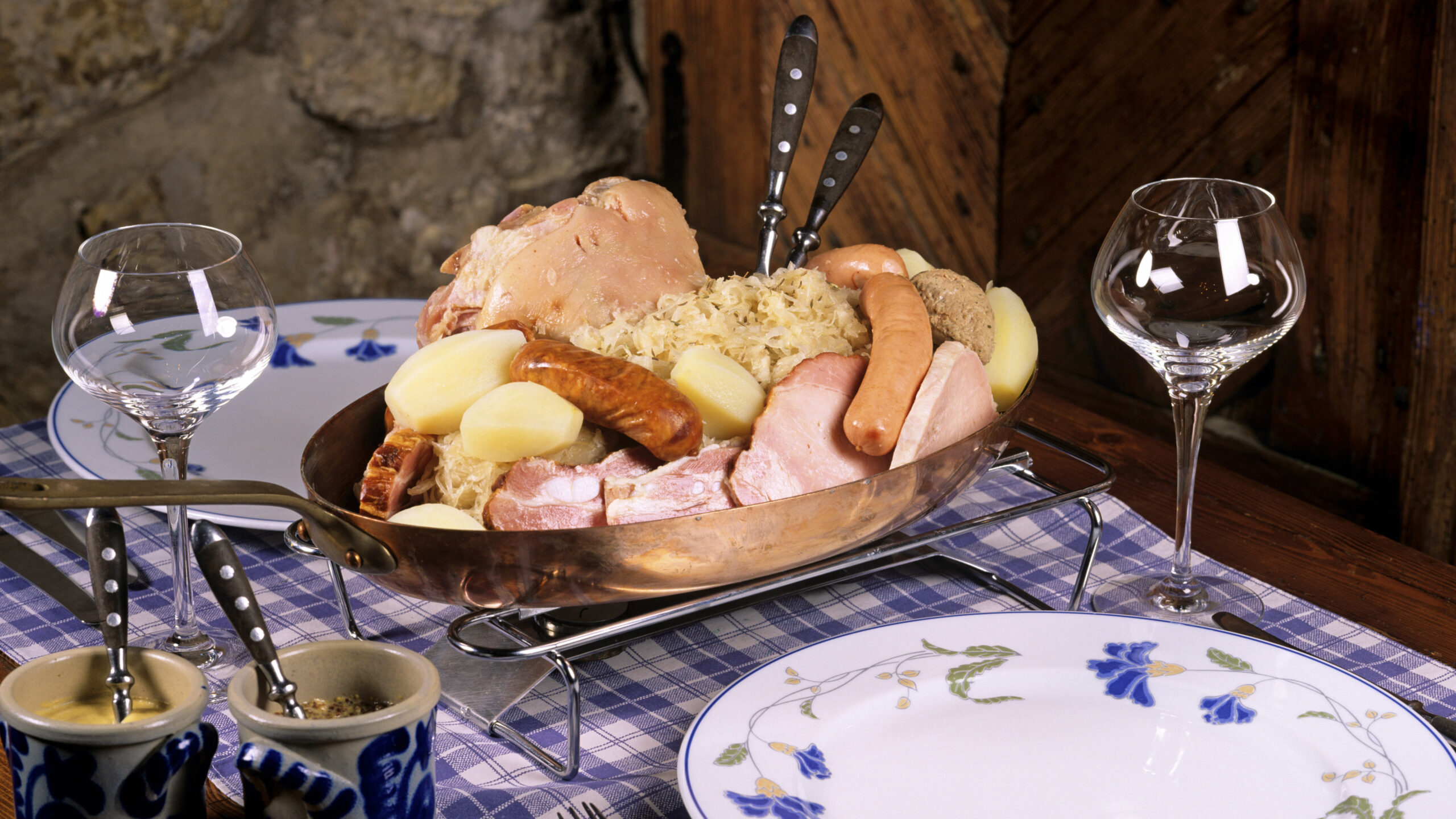
This offering is partly structured around two major labels: “Savourez l’Alsace” and “Savourez l’Alsace avec l’agriculture locale.” They certify product origin and showcase the expertise of local businesses while making it easier for consumers to identify them.
The first label promotes products processed locally in Alsace. The second applies stricter requirements, with 100% Alsatian origin for raw products and at least 80% local ingredients for processed items.
Together, these initiatives cover more than 5,000 product lines and several hundred companies, supporting short supply chains, increasing producer visibility, and driving value creation in the region.
The strength of the agri-food ecosystem is reflected in the quality of Alsace’s dining scene. In 2026, the region counts 34 Michelin-starred restaurants, including six with two stars.
This high concentration, especially relative to population size, ranks Alsace among France’s leading gastronomic regions. It is supported by chefs who prioritize local ingredients and maintain close ties with producers.
Beyond fine dining, Alsace offers a broad spectrum of venues, from traditional winstubs to modern restaurants, enriching the overall culinary experience.
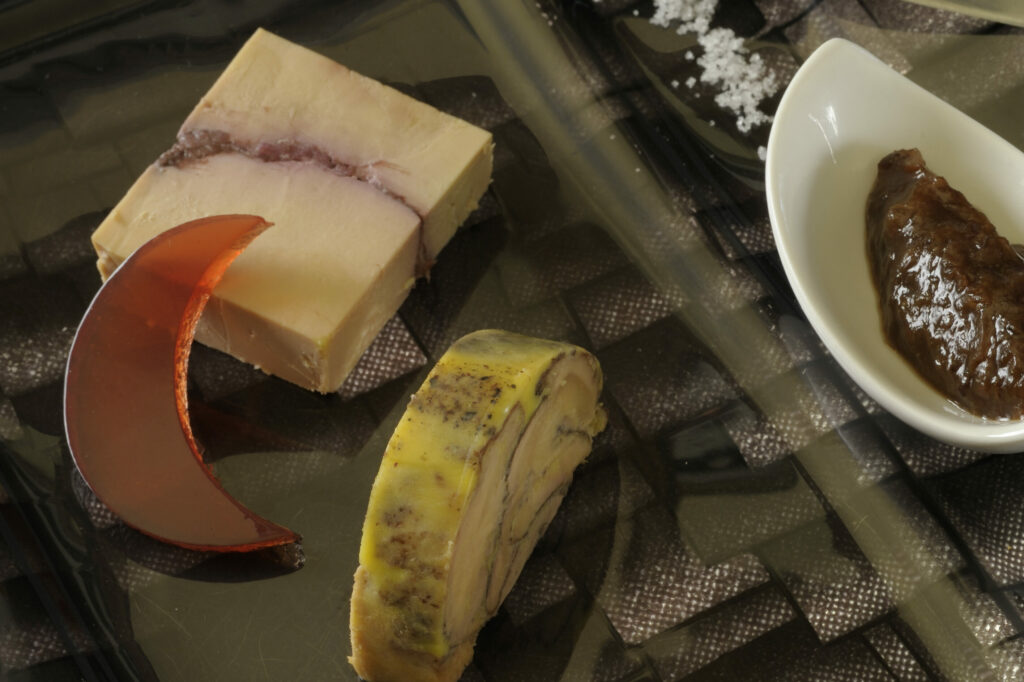
Alsace’s excellence in food professions is also supported by a well-organized and highly regarded training network.
The Alexandre Dumas hospitality school in Illkirch-Graffenstaden is a national benchmark, within a wider system that includes:
These institutions pass on expertise and train a large number of qualified professionals each year, working closely with local companies.
Alsace stands out for a food system built on proximity, quality, and variety. Residents demonstrate their commitment through levels of local product consumption nearly three times the national average, along with strong loyalty to regional brands and producers.
This vitality enhances quality of life, with access to fresh, traceable products from short supply chains, a rich culinary offering, and a strong cultural identity.
For businesses, it provides a stable, well-structured, and innovative environment. For visitors and newcomers, it offers a genuine promise of quality living, where heritage, economy, and lifestyle come together.
From vineyards and fine restaurants to farmers’ markets and recognized expertise, Alsace presents an attractive and authentic setting, ideal for discovery… and maybe for settling down?