News
Economy
3 September 2026
In response to the climate emergency and the need to enhance the industrial competitiveness of local economies, the energy transition has become a strategic priority. In Alsace, a historically industrial region with a strong European outlook, this ambition is taking shape through major structuring initiatives, including the recently launched HySyn project.
Officially initiated at the end of March 2026 by CCI Grand Est alongside 26 French, German and Swiss partners following two years of preparatory work, this cross-border initiative seeks to establish a robust local hydrogen sector in support of industrial decarbonization and European energy sovereignty.
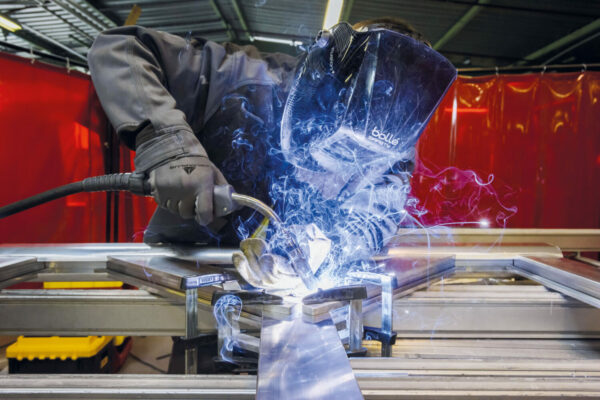
Industry remains a major contributor to greenhouse gas emissions, largely due to its highly energy-intensive processes. In this context, decarbonized hydrogen is emerging as an indispensable complement to electrification, particularly for industrial applications that are difficult to replace. When produced from renewable or low-carbon energy sources, hydrogen offers a significant reduction in emissions while strengthening the security of energy supply.
Within this framework, CCI Grand Est supports companies in identifying and deploying tailored decarbonization solutions, positioning hydrogen among the key energy carriers of the future. This approach relies on a comprehensive vision of the transition, balancing economic performance, industrial competitiveness and environmental responsibility.
HySyn is fully aligned with this momentum. Backed by a €3.3 million budget and supported by the Upper Rhine Interreg program, the project brings together 26 partners from France, Germany and Switzerland, including industrial clusters, universities and research centers, and public authorities, around a shared objective: the development of a coherent and operational hydrogen ecosystem at the cross-border level. This European dimension is a major asset, enabling the sharing of expertise, the pooling of infrastructure and the creation of markets at a meaningful scale.
The project focuses in particular on assessing industrial needs, identifying opportunities for green hydrogen production and use, and addressing the technical, economic and regulatory barriers that continue to hinder its deployment. While primarily targeting industrial and logistics stakeholders, HySyn also integrates mobility and spatial planning considerations.
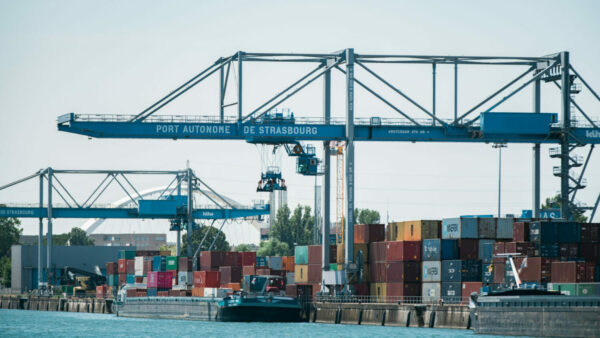
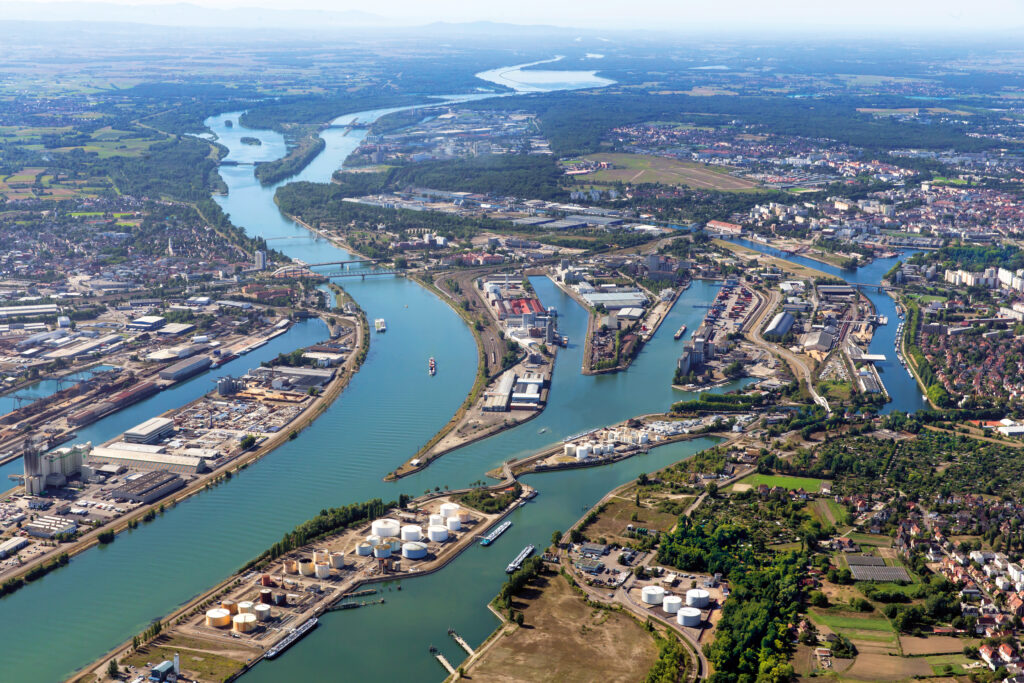
The success of HySyn is built on close collaboration between institutional, economic and technical actors. One of its key partners is the Port de Strasbourg, a strategic player in the energy transition and a leading logistics hub on the Rhine. Thanks to its central role in transport and inland waterway logistics in the Upper Rhine area, the Port positions itself as a pivotal site for the analysis and development of hydrogen solutions for industrial applications. Its involvement includes conducting studies and analyses (production potential, transport and supply, cross-border flows, etc.) as well as supporting the local ecosystem through the development and dissemination of methodological tools and awareness-raising actions targeting its stakeholders.
The Véhicule du Futur innovation cluster is also deeply engaged in the project. As a recognized player in decarbonization, long-standing coordinator of the Grand Est hydrogen sector and contributor to several innovative cross-border initiatives, it will play a key role in connecting and mobilizing actors across the ecosystem.
Alongside these flagship organizations, numerous local authorities, development agencies, clusters and private companies are involved, highlighting Alsace’s ability to unite a wide range of stakeholders around forward-looking initiatives.
Beyond its contribution to decarbonization, HySyn responds to the growing challenge of energy sovereignty. Local production of decarbonized energy, secure supply chains and reduced reliance on imported fossil fuels are critical levers of resilience for both territories and businesses. In an increasingly uncertain geopolitical environment, energy autonomy is becoming a decisive factor for competitiveness and attractiveness.
By supporting the development of a local and cross-border hydrogen sector, Alsace reaffirms its ambition to remain an innovative, open and sustainable industrial region. HySyn reflects this shared ambition: preparing for the energy future, supporting companies through their transition and strengthening Alsace’s role as a provider of solutions at the heart of Europe.