News
Economy
3 September 2026
The European institute for the ecological transition in health (IETES) was officially inaugurated in early January 2026 in Strasbourg to structure, accelerate and document the decarbonization of the healthcare system.
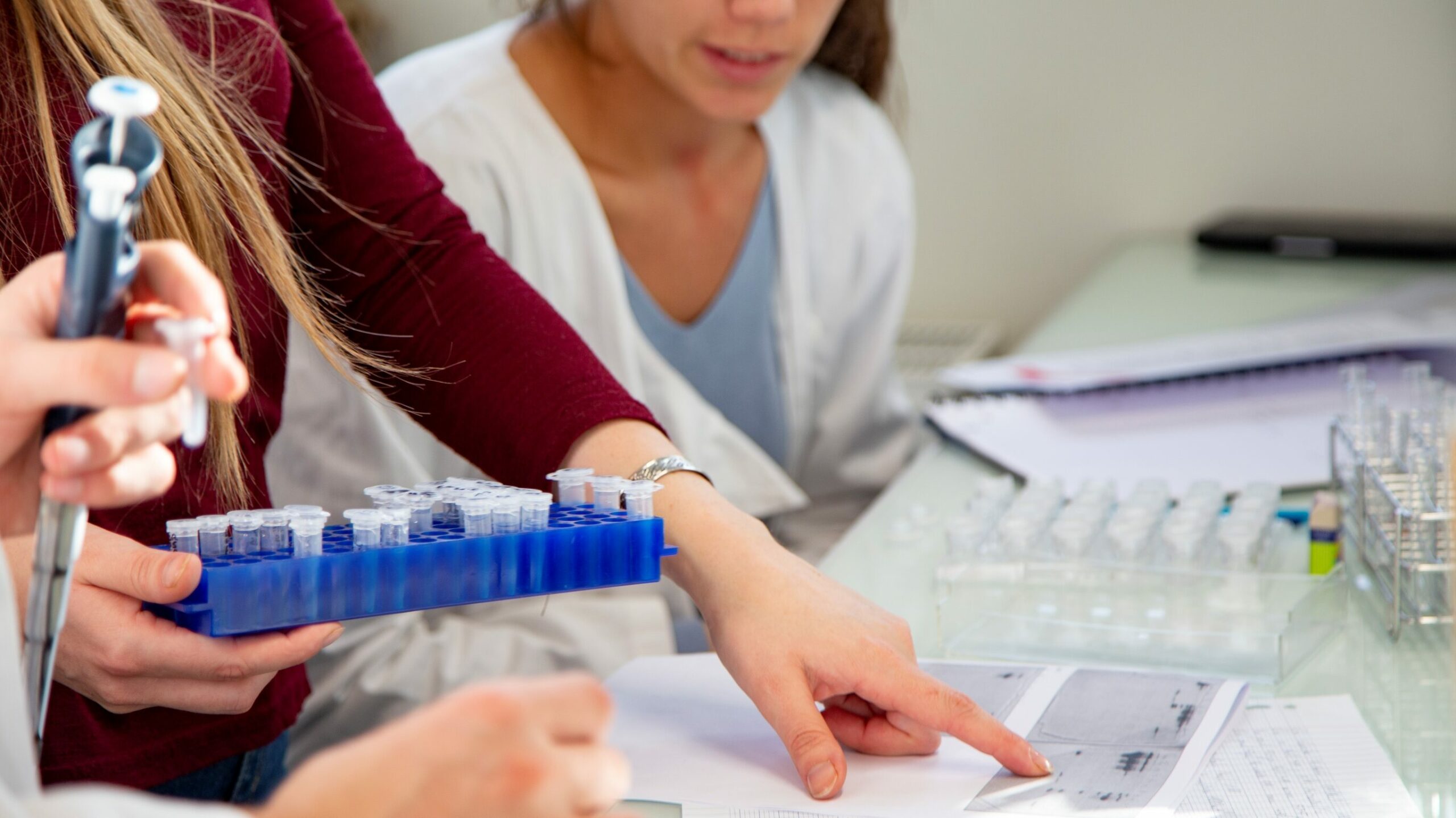
IETES’ mandate responds to a well-established reality: in France, the health sector is estimated to account for about 8% of national greenhouse gas emissions, with the largest share tied to purchases of medicines and medical devices.
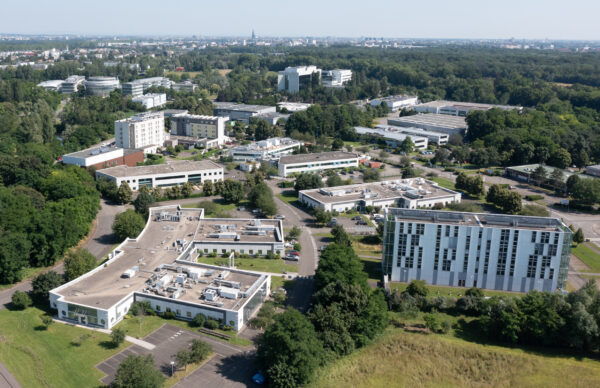
Strasbourg, the European capital, brings together a rare combination of assets: a leading university hospital, the Nextmed health innovation campus, world-class centers such as IRCAD, the ph8 health incubator, and an export-oriented pharmaceutical manufacturing base. The region also benefits from the significant economic footprint of Alsace’s pharmaceutical industry, with production sites operated by several global players.
This proximity enables co-design between clinicians, engineers and industry, speeds up real-world evaluation and creates optimal conditions for the ecological transformation of healthcare, from manufacturing sites to operating rooms.
IETES is embedded in the Nextmed ecosystem, the European campus for medical technologies, which brings together clinicians, researchers, entrepreneurs and patients within the Strasbourg university hospitals. The site’s purpose is to shorten the path from innovation to clinical use and to create skilled jobs. Being located next to the specialized ph8 incubator, dedicated to health start-ups, also facilitates integrating eco-design early in both industrial and clinical projects.
The institute’s program is organized around six pillars: methodological research, training for healthcare professionals and industry, support for healthcare organizations, support for innovation, provision of a document and data platform, and coordination of a European network.
The institute was launched by eight partners: the health eco-responsibility collective (CERES), the Strasbourg anesthesia and intensive care association (ASAR), Acting sustainably in health in Nouvelle-Aquitaine (ADSNA), Mines Paris-PSL, the school of advanced studies in public health (EHESP), the French hospital federation (FHF), FEHAP, and the Hospital procurement network RESAH. Together, they aim to deliver robust methods and data for decision-makers and practitioners.
IETES’ presence in Alsace builds on a territory internationally recognized for life sciences. Created in 1994 within the Strasbourg university hospitals, IRCAD remains a global reference in training and research for minimally invasive and robotic surgery, with leading platforms and programs that share expertise worldwide.
Nextmed has brought new health research facilities online, including the eXplora building, and unites international-caliber structures with a dense ecosystem of medtech and e-health start-ups, helping move from prototype to clinical impact more quickly. The campus also hosts the eastern regional delegation of the national institute of health and medical research (Inserm).
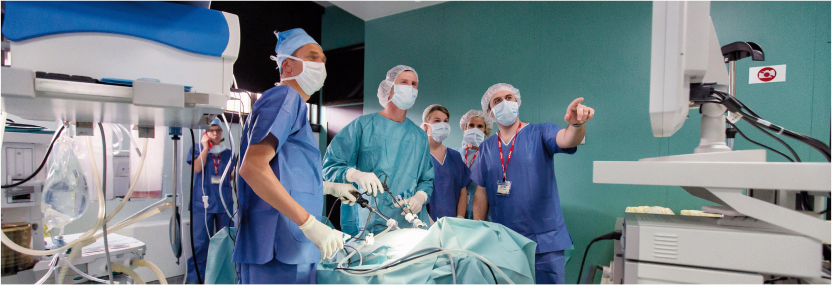
This strong technological and academic-hospital base is complemented by a particularly active pharmaceutical industry in Alsace, a key lever for the transition ahead: Lilly, Novartis, Octapharma, Biosynex…
This industrial base, combined with clinical and academic capabilities, is an asset for designing, testing and scaling more resource-efficient practices in procurement, eco-design and manufacturing: a priority given the sizable contribution of health products to the sector’s overall footprint.
Finally, Strasbourg is home to the European Directorate for the Quality of Medicines (EDQM) under the Council of Europe, commonly known as the European pharmacopoeia. It develops Europe-wide standards for medicine manufacturing, blood transfusion, organ, tissue and cell transplantation, and consumer health protection.
With IETES, Strasbourg and Alsace are consolidating their role as a European hub for developing and scaling health solutions that are more resource-efficient, measurable and reproducible. The goal is to make the region a credible demonstrator of the ecological transition in health, supported by training and partnerships across industry and hospitals, for the benefit of patients, health sovereignty and the climate.