
Why Alsace?
So many reasons to choose Alsace
Alsace’s mugshot
1.9
million inhabitants
3
large cities
3
competitiveness clusters
80,000
students every year
22%
of the workforce employed in the industrial sector
3rd
density of foreign companies in France
A thriving economy
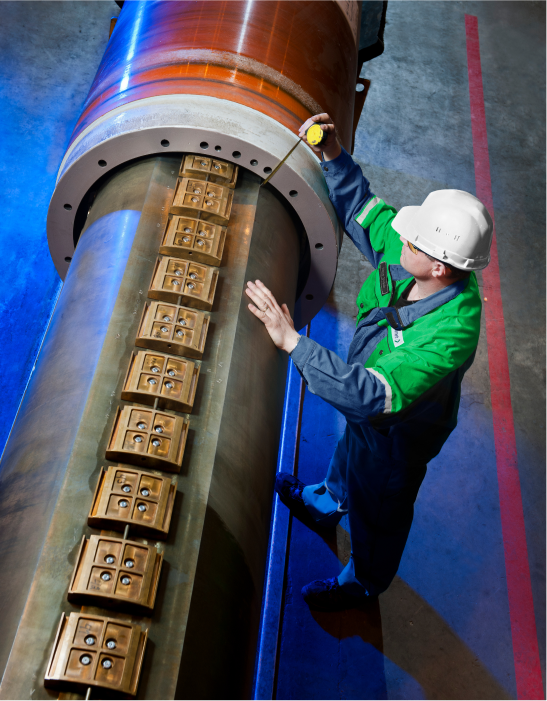
Alsace, a leading force in the Grand Est economy, is the birthplace of numerous and diverse industries, showcasing a significant reservoir of expertise.
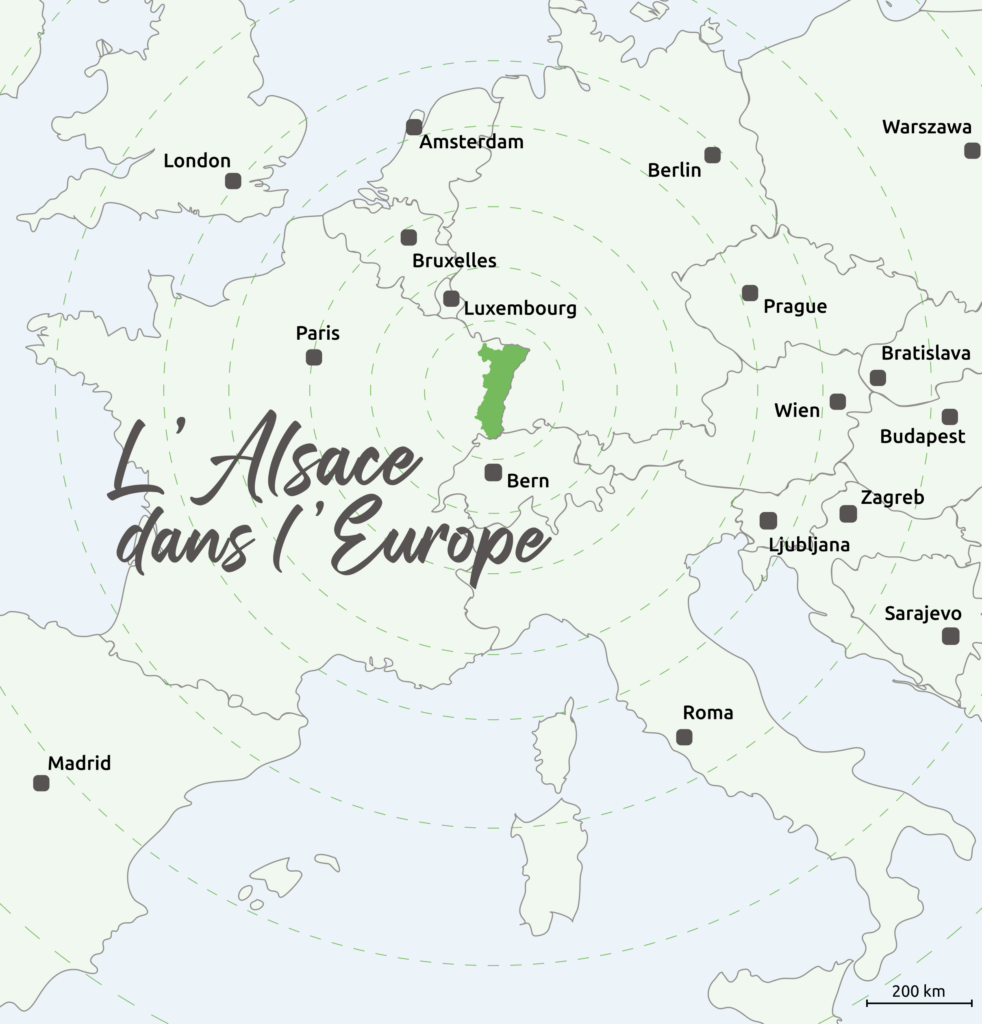
Situated in Rhineland Europe, an important economic and demographic region with 100 million inhabitants, contributing 30% of the EU’s total GDP, Alsace naturally experiences vibrant and dynamic economic activity.
The region benefits from numerous transport routes, including the ever-present Rhine, which enables industries to efficiently distribute their products to European and global markets via North Sea ports.
The diverse range of local industries and services enhances the region’s skill base, making it a major asset for recruiting skilled labor.
- Alsace accounts for more than 50% of the exports of the Grand Est Region, the second region in France in terms of trade in goods and merchandise
- 80% of these exports are destined for European markets
A unique quality of life
Experience the charm of a region rich in culture, leisure, and gastronomy, and explore its vibrant network of associations.
Alsace actively promotes its heritage and culture year-round, offering spaces and events for all styles, arts, and expressions.
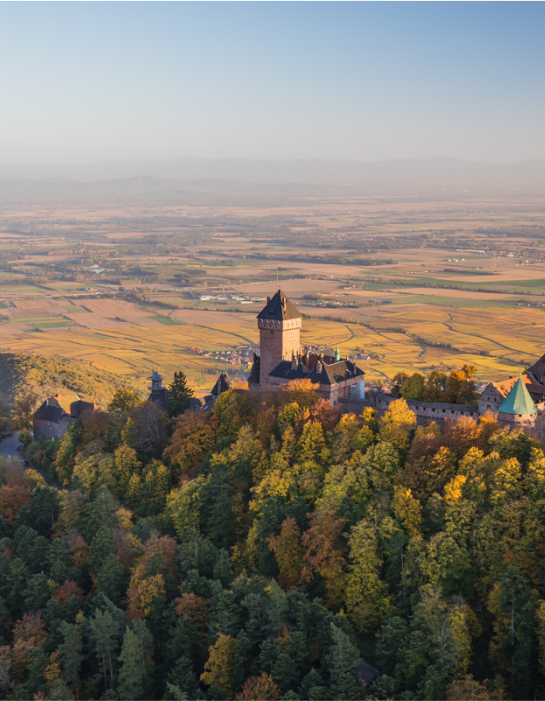
The region is renowned for its wine and brewing industry, along with its many culinary specialties and local products, best enjoyed in its famous Winstubs. This gastronomic richness complements the historical heritage of Alsace, featuring numerous historical sites, castles, museums, picturesque villages, and historic town centers.
Thanks to a more flexible local law on associations compared to the rest of France, Alsace maintains a dense network of over 30,000 associations. This fosters a wide range of sports and cultural activities, encouraging social interaction and community building.
250
museums
29
Michelin starred restaurants
18,000
kilometers of marked trails
High-performance infrastructure
Enjoy quick and easy access to all of Europe thanks to an exceptional network of roads, rail, air, and ports.
Alsace, strategically located at a crossroads, benefits from major transport routes connecting people and goods across Europe.
The region is served by two high-speed train lines (East and Rhine-Rhône), allowing travel to Paris in under 2 hours. Additionally, it boasts a comprehensive internal network with buses, trams, and regional trains.
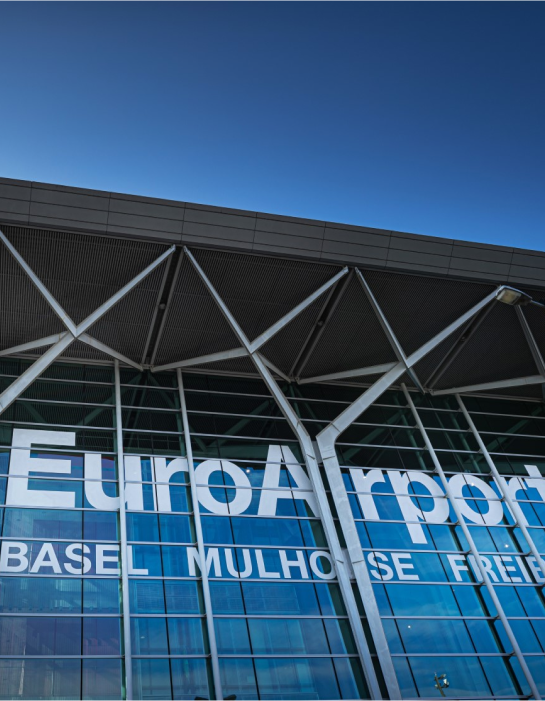
Air travel is well-supported with two international airports in Strasbourg and Mulhouse. EuroAirport Basel-Mulhouse is one of France’s largest airports, handling 7 million passengers and 114,000 tonnes of freight in 2022.
Alsace is bordered by the Rhine, Europe’s leading commercial river, providing direct access to major North Sea seaports. The region features three multimodal ports, spread across the territory, facilitating the transit of millions of tons of goods annually.
2
international airports
2
high-speed train lines
2nd & 3rd
river ports in France
An international mindset
At the crossroads of Europe, the unique history of Alsace has shaped a naturally open and cosmopolitan territory.
Long desired and contested, Alsace has been influenced by neighboring countries for centuries. Now firmly French, it still embraces a multicultural heritage, further enriched by the presence of numerous European institutions.
Thanks to its proximity to Germany and Switzerland, cross-border exchanges are seamless. Nearly 60,000 Alsatians commute across the borders every day for work. Added to this are countless others who travel in both directions for leisure, whether for shopping, visiting museums, hiking, or simply enjoying the region.
This multicultural influence extends to education: in addition to the standard curriculum, students can pursue a bilingual French-German education from kindergarten through higher education. International sections offering courses in eight languages are also available from primary school onwards.
- 1,000 companies with international capital
- 3rd highest density of foreign-owned companies in France
- 3rd region in terms of the weight of multinational corporations in the economy
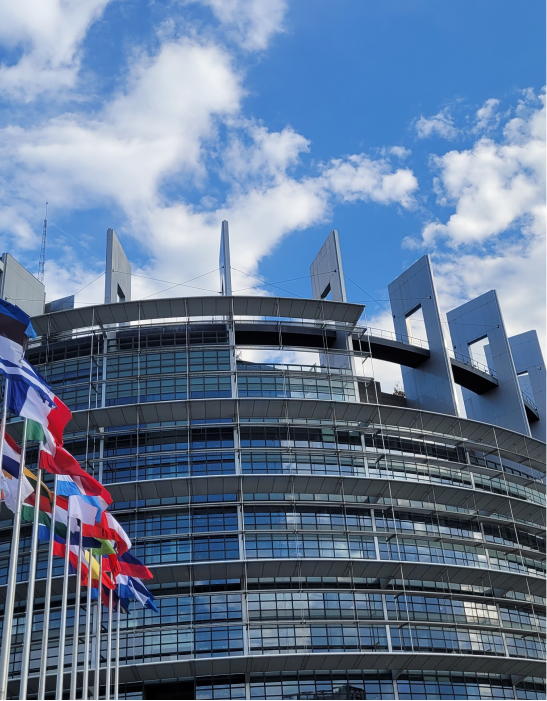
100+
European institutions
47
embassies
41
consulates
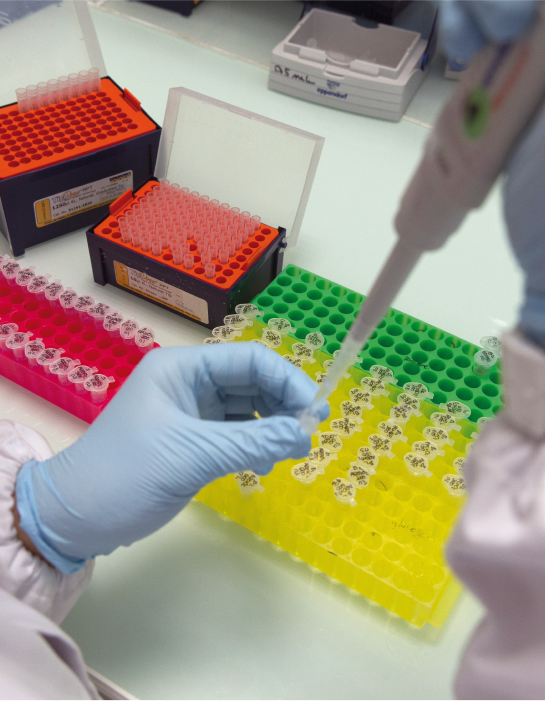
A hub of excellence and innovation
Join a high-performance research and innovation ecosystem supported by renowned universities, business incubators, and research centers.
Alsace boasts a distinguished academic and research environment, with four Nobel Prize winners and institutions like the University of Strasbourg and the University of Haute-Alsace, along with 14 major schools in fields such as engineering, architecture, art, design, and management.
The region is also home to prestigious research organizations, including CNRS, INRAE, and INSERM. Alsace hosts several leading
The exceptional synergy between universities, research centers, and innovation hubs makes the Alsace ecosystem a beacon of excellence in Europe, fostering a dynamic environment for businesses and encouraging interdisciplinary collaboration.
3rd
largest university in France
3,400
teacher-researchers
150
start-ups supported each year
A historically prosperous region
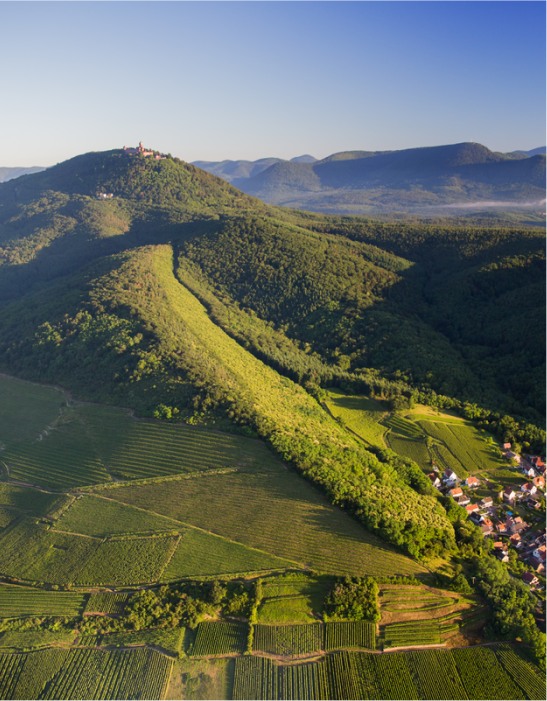
Leverage the natural and human resources of a densely populated region with rich subsoil.
Alsace, a major crossroads for trade and civilization since Antiquity, boasts a diverse and extensive heritage. With nearly two million residents, it ranks among the most densely populated areas in France.
The region’s subsoil is rich in resources, including a water table with 35 billion cubic meters, lithium reserves, large alluvial deposits of sand and aggregates, dense forests, and thriving agriculture.
In terms of energy, Alsace enjoys lower prices than the national average, thanks to a highly efficient electricity network partly due to the former Fessenheim nuclear power plant, now closed, and substantial local production of green energy, including photovoltaics, geothermal energy, hydrogen, and methanization.
- Density: 229 inhabitants per km², twice the national average
- Access to 300 million consumers within a 700 km radius
Crédits photo : F. Zvardon / T. Vuano – CIVA / G. Gonzalez / ADIRA / F. Zvardon / T. Vuano – CIVA